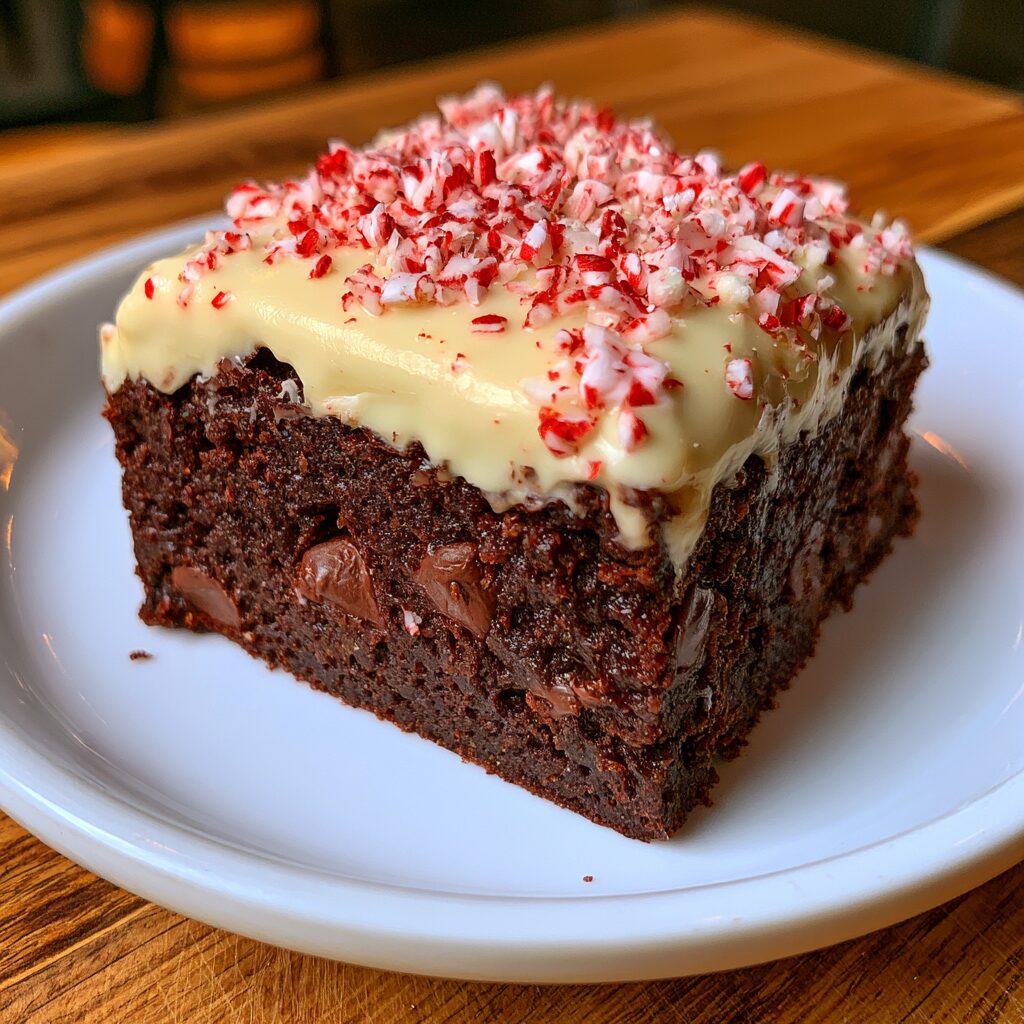
There’s nothing quite like the aroma of freshly baked bread filling your kitchen, and these soft homemade dinner rolls are sure to become a cherished favorite. They boast a wonderfully tender crumb and a hint of sweetness, making them the perfect accompaniment to any meal. Prepare to impress your family and friends with these delightful, pillowy rolls.
These golden brown, buttery rolls are so light and airy, they practically melt in your mouth, especially when brushed with a touch of extra butter right out of the oven.
Recipe Details
- Flavor Profile: Mildly sweet, buttery, and comforting.
- Texture: Incredibly soft, fluffy, and slightly chewy.
- Total Active Time: Approximately 30 minutes of active preparation.
- Total Time (including rising): About 2.5 to 3 hours.
- Difficulty: Easy to Moderate. Requires some kneading and patience for rising.
What You’ll Need
To create these wonderful dinner rolls, you’ll be working with foundational baking ingredients like flour, yeast, milk, butter, sugar, eggs, and salt. The magic happens through careful mixing, kneading, and two stages of rising before a final bake to golden perfection.
Ingredient Notes
- All-purpose flour: This provides the structure for our rolls. All-purpose flour gives a good balance of gluten development for a tender yet sturdy crumb.
- Active dry yeast: This is our leavening agent, responsible for making the rolls light and airy. Make sure your yeast is fresh for optimal rising.
- Whole milk, warmed to 110°F: Warm milk activates the yeast and adds richness and tenderness to the dough. Aim for lukewarm, not hot, to avoid killing the yeast.
- Unsalted butter, melted: Butter contributes flavor and a soft texture. Using unsalted allows you to control the saltiness of the rolls.
- Granulated sugar: A touch of sugar feeds the yeast, aiding in activation, and also adds a subtle sweetness to the finished rolls.
- Large eggs, room temperature: Eggs bind the ingredients, add richness, and contribute to the soft texture and golden color of the rolls. Room temperature eggs incorporate more smoothly into the dough.
- Salt: Salt balances the sweetness and enhances the overall flavor of the bread.
Add-ins and Substitutions
While these rolls are delightful as they are, you can certainly personalize them! For a richer dough, you could substitute a portion of the all-purpose flour with bread flour for a slightly chewier texture. If you find yourself without whole milk, you can use 2% milk, though the richness might be slightly reduced. A sprinkle of flaky sea salt on top just before baking can add a lovely textural contrast.

How to Make Soft Homemade Dinner Rolls Recipe
The process of creating these soft dinner rolls is a rewarding one, starting with activating the yeast and culminating in a batch of warm, golden-brown delights.
First, combine the warm milk, yeast, and sugar in a large bowl. Let this mixture sit for about 5 to 10 minutes, until it becomes foamy and bubbly. This “blooming” step ensures your yeast is active and ready to work its magic.
Next, mix in the melted butter, eggs, salt, and about half of the all-purpose flour. Beat this until it’s just combined. Gradually add the remaining flour, mixing until a dough begins to form. Turn the dough out onto a lightly floured surface and knead it for about 8 to 10 minutes, until it becomes smooth and slightly tacky. You’re looking for a dough that is pliable and elastic.
- Pro Tip: Proper kneading is key to developing the gluten structure, which gives the rolls their wonderful texture. Don’t be afraid to get your hands in there!
Place the kneaded dough into a lightly greased bowl, turning it to coat all sides. Cover the bowl with a clean kitchen towel or plastic wrap and let it rise in a warm, draft-free spot for about 1 to 1.5 hours, or until it has doubled in size.
Once the dough has doubled, gently punch it down to release the air. Divide the dough into your desired portions for individual rolls. Shape each portion into a smooth ball. Arrange the shaped rolls in a greased baking dish or on a baking sheet, giving them a little space as they will expand. Let the rolls rise a second time, covered, for another 30 to 45 minutes, until they look puffy and have increased in volume.
Finally, preheat your oven to the appropriate temperature (typically around 375°F or 190°C). Bake the rolls for about 15 to 20 minutes, or until they are beautifully golden brown on top and sound hollow when tapped on the bottom. As soon as they come out of the oven, brush the tops generously with the melted butter. This gives them a lovely sheen and infuses them with extra flavor.
Recipe Tips
- Warmth is key: Ensure your milk is the correct temperature (around 110°F or 43°C) to activate the yeast without killing it. A slightly warm room will also help your dough rise beautifully.
- Don’t over-flour: While kneading, resist the urge to add too much extra flour. A slightly tacky dough is desirable for soft rolls; too much flour can make them dense.
- Patience with the rise: Allow the dough adequate time to rise. The doubling in size is crucial for achieving that light, airy texture.
- Golden brown is the goal: Watch your rolls carefully as they bake. They should be a lovely golden brown, indicating they are fully baked through.
- Butter while warm: Brushing with butter immediately after they come out of the oven allows it to melt and soak into the warm crust, adding richness and flavor.
FAQs
- Can I use instant yeast instead of active dry yeast?
Yes, you can typically substitute instant yeast for active dry yeast. If you do, you can often skip the blooming step and mix it directly with the dry ingredients, though check your yeast package for specific instructions. - How do I know when the dough has risen enough?
The dough should roughly double in volume. You can also gently poke the dough with a floured finger; if the indentation remains, it’s ready. For the second rise, they should look visibly puffy. - My rolls didn’t get very puffy. What went wrong?
This could be due to inactive yeast, not enough rising time, or the room temperature being too cool for the dough to rise effectively. Ensure your yeast is fresh and your rising environment is warm.
Serving Suggestions
These soft homemade dinner rolls are incredibly versatile. They are, of course, a perfect addition to any dinner table, pairing wonderfully with hearty stews, roasted meats, or a comforting pasta dish. Serve them alongside a fresh green salad for a lighter meal, or with a selection of dips and spreads for a casual gathering. They also make an excellent base for mini sandwiches or sliders.
Make This Recipe in Advance
You can prepare the dough for these rolls a day in advance. After the first rise and punching down, you can shape them, place them in their baking dish, cover them tightly, and refrigerate them overnight. In the morning, let them sit at room temperature for about 30 minutes to an hour until puffy, then bake as directed. The baked rolls are best enjoyed the day they are made, but leftovers can be stored in an airtight container at room temperature for 1-2 days. You can gently reheat them in a low oven for a few minutes to refresh their texture.
Print
Soft Homemade Dinner Rolls Recipe
- Total Time: 2.5 to 3 hours
- Yield: Approximately 12-16 rolls 1x
Description
Learn how to make incredibly soft, fluffy, and slightly sweet homemade dinner rolls from scratch. These buttery rolls are perfect for any meal and are sure to become a family favorite.
Ingredients
4 cups all-purpose flour
1 packet (0.25 oz) active dry yeast
1 cup whole milk, warmed to 110°F
1/3 cup unsalted butter, melted
1/4 cup granulated sugar
2 large eggs, room temperature
1 tsp salt
3 tbsp unsalted butter, melted (for brushing top)
Instructions
Combine the warm milk, yeast, and sugar in a large bowl. Let this mixture sit for about 5 to 10 minutes, until it becomes foamy and bubbly.
Next, mix in the melted butter, eggs, salt, and about half of the all-purpose flour. Beat this until it’s just combined. Gradually add the remaining flour, mixing until a dough begins to form. Turn the dough out onto a lightly floured surface and knead it for about 8 to 10 minutes, until it becomes smooth and slightly tacky.
Place the kneaded dough into a lightly greased bowl, turning it to coat all sides. Cover the bowl with a clean kitchen towel or plastic wrap and let it rise in a warm, draft-free spot for about 1 to 1.5 hours, or until it has doubled in size.
Once the dough has doubled, gently punch it down to release the air. Divide the dough into your desired portions for individual rolls. Shape each portion into a smooth ball. Arrange the shaped rolls in a greased baking dish or on a baking sheet, giving them a little space as they will expand. Let the rolls rise a second time, covered, for another 30 to 45 minutes, until they look puffy and have increased in volume.
Preheat your oven to 375°F (190°C). Bake the rolls for about 15 to 20 minutes, or until they are beautifully golden brown on top and sound hollow when tapped on the bottom. As soon as they come out of the oven, brush the tops generously with the melted butter.
Notes
Ensure your milk is the correct temperature (around 110°F or 43°C) to activate the yeast without killing it. A slightly warm room will also help your dough rise beautifully.
While kneading, resist the urge to add too much extra flour. A slightly tacky dough is desirable for soft rolls; too much flour can make them dense.
Allow the dough adequate time to rise. The doubling in size is crucial for achieving that light, airy texture.
Watch your rolls carefully as they bake. They should be a lovely golden brown, indicating they are fully baked through.
Brushing with butter immediately after they come out of the oven allows it to melt and soak into the warm crust, adding richness and flavor.
- Prep Time: 30 minutes
- Cook Time: 20 minutes
- Category: Bread
- Cuisine: American